
Balfour Beatty established ‘digital fortresses’ following rise in construction site thefts
Balfour Beatty is using what it calls “digital fortresses” to protect its widespread range of work sites in response to the rise in thefts in recent years. Theft costs the construction industry £800M each year and 62% of construction workers reported a rise in thefts in 2023 in the UK, according to security company BauWatch. […]

May 23, 2024
Balfour Beatty is using what it calls “digital fortresses” to protect its widespread range of work sites in response to the rise in thefts in recent years.
Theft costs the construction industry £800M each year and 62% of construction workers reported a rise in thefts in 2023 in the UK, according to security company BauWatch.
The purpose of its digital fortresses, according to Balfour Beatty security technology director Andy Chamber, is “to protect sites and compounds”.
Chambers said sites include haul roads and areas which might not be enclosed, but generally means areas “where the general public shouldn’t be. It’s people breaking in, trespassing, protesters. Obviously, we’ve had that scenario.
“All it does is deter them as much as anything, but also if there is a break-in, we can collate that information and manage it from our control rooms, which are SIA (Security Industry Authority) licenced and managed under the Data Protection Act.
“[Data] is only distributed if it’s needed to go to the police or wherever we need it to go to.”
A point Chambers was keen to stress was the fact that Balfour Beatty brought its security function in-house in 2022 around the same time he was brought into the business.
Since starting its new approach to security in 2022, the company “detected and tackled over 150 incidents,” according to a spokesperson. Six were reported in 2022, 107 in 2023 and 42 so far in 2024.
Commenting on why it was brought in-house, he said: “We were getting broken into, we weren't getting the records, we weren't getting the information we needed. We didn't feel were we getting the right support. We were using devices that we had no control over.
“Bringing it in-house [gave Balfour Beatty] more control” and made sure the company was able to access “the best possible support.”
A Balfour Beatty spokesperson said “We built, funded, and manage the control centre which first opened in summer last year.”
Looking more broadly at the challenge faced by the company, Chambers pointed to Balfour Beatty’s approximately 120 compounds and 1,000 security cameras on its High Speed 2 (HS2) project work alone. He said: “How could you pass that off to a third party to monitor it correctly?
“We bring in all the cameras from all the remote sites. It's bigger than just the control room, it's a full [set of] infrastructure, IT, the whole lot, bringing in all the remote sites, remote cameras and remote alarms.”
Looking to the future, Chambers said the company is working on the deployment of AI-driven drones which could be used to complement other security measures at sites.
He said testing of drones by Balfour Beatty had been conducted on its HS2 estate at the end of 2023 and he was getting orders internally to start deliveries.
A Balfour Beatty spokesperson said: “From creating ‘digital walls’ around vast areas, triggering remote-access CCTV drones, to capturing thieves and trespassers in act – we are using technology to better intercept criminals and charge perpetrators.
“Our new kit not only secures sites but also supplies off-grid power to engineers and conservationists carrying out vital work.”
Like what you've read? To receive New Civil Engineer's daily and weekly newsletters click here.
Related Posts
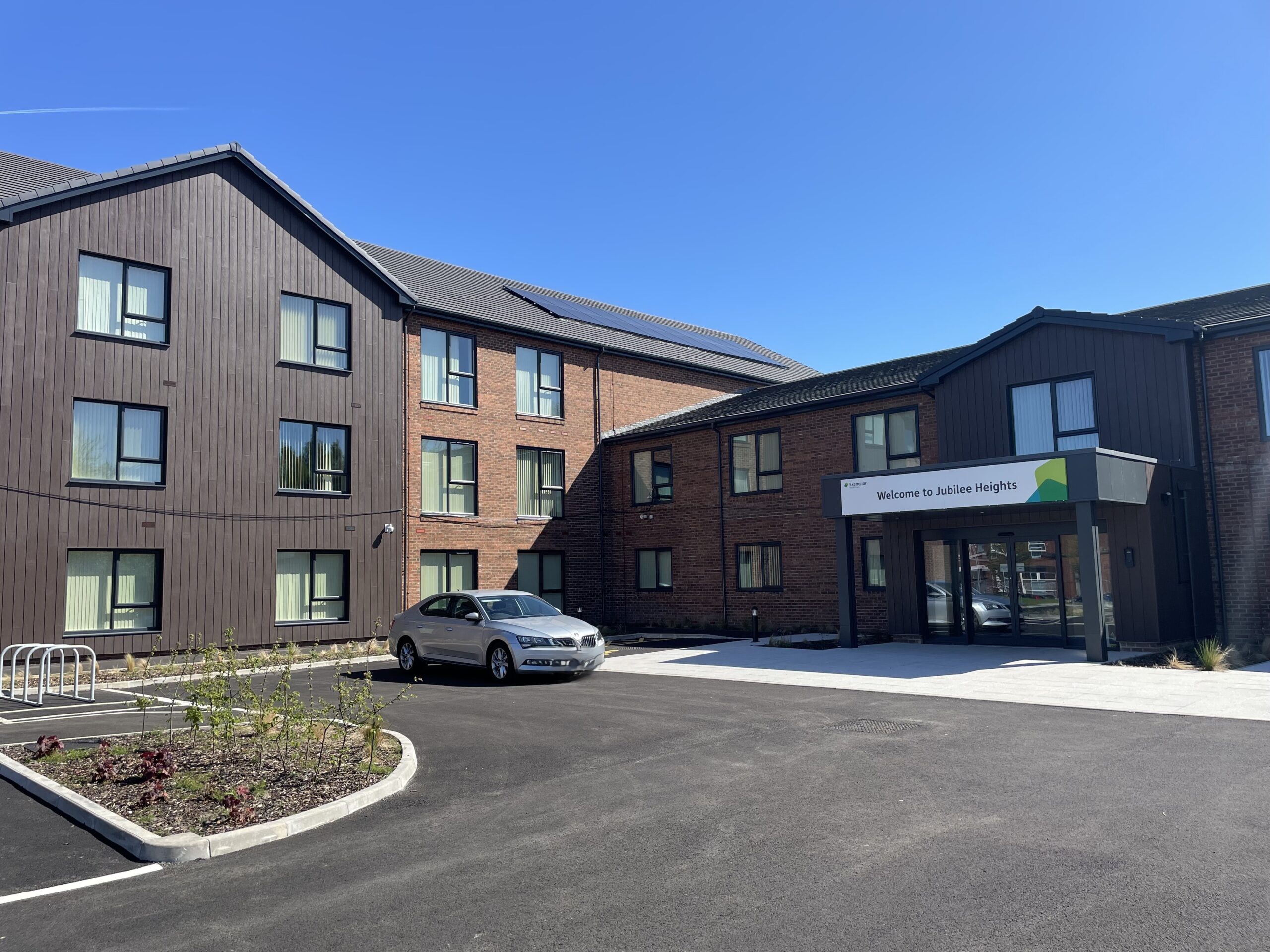
Firecrest Construction Completes 40 Bed Care Home For Exemplar Health Care
Firecrest Construction has successfully completed the complex delivery of a new 40 bed care home in Bury town centre for Exemplar Health Care. As principal contractor to the scheme, Firecrest delivered the job on budget and on time, handing over after 64 weeks...
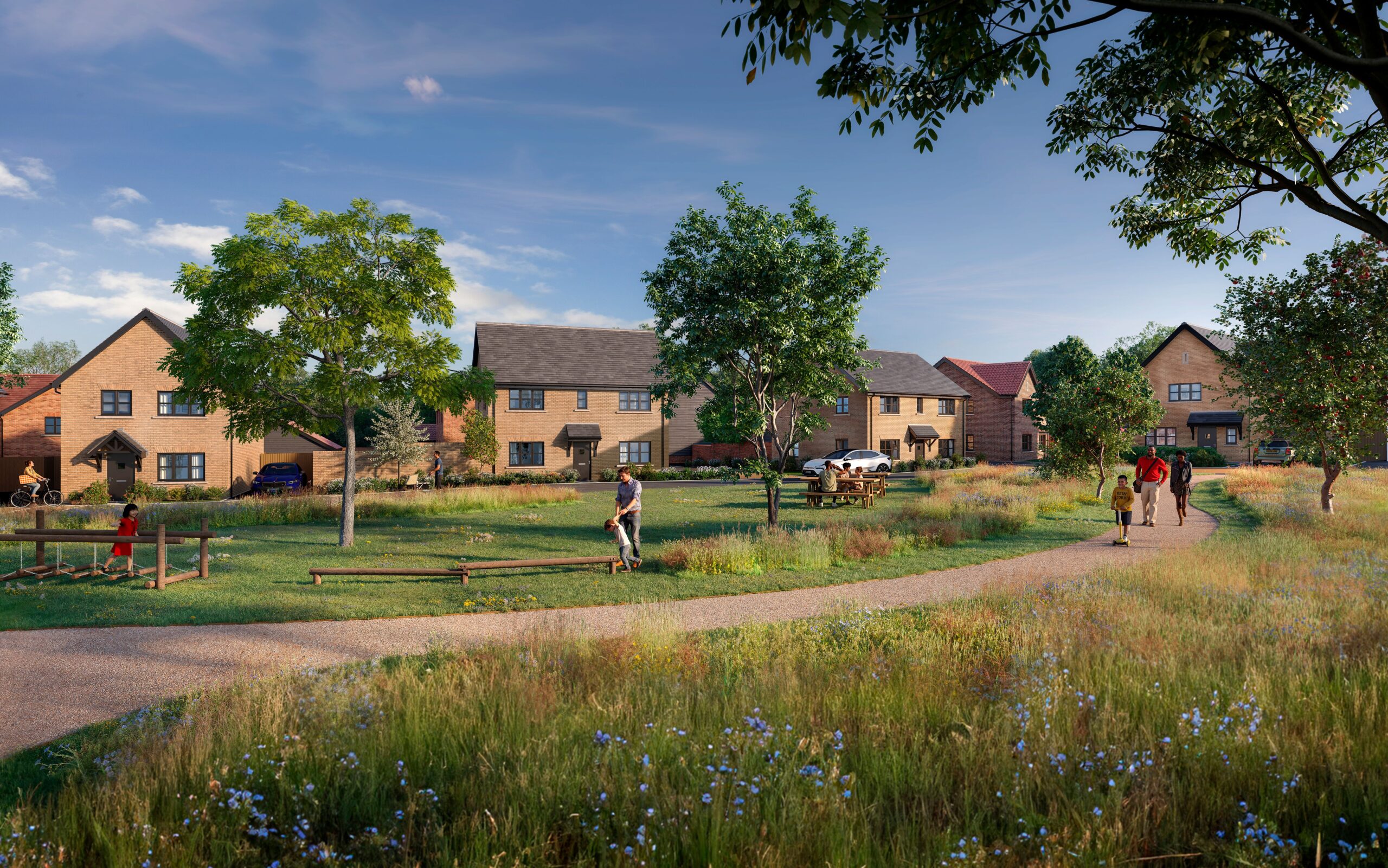
The Hill Group Achieves Hat Trick of Planning Successes Across the South East
Award-winning housebuilder The Hill Group has secured a hat trick of planning permissions across the South East, marking a significant milestone in the delivery of much-needed new homes across the region. Across three newly approved schemes in Essex, Oxfordshire and...
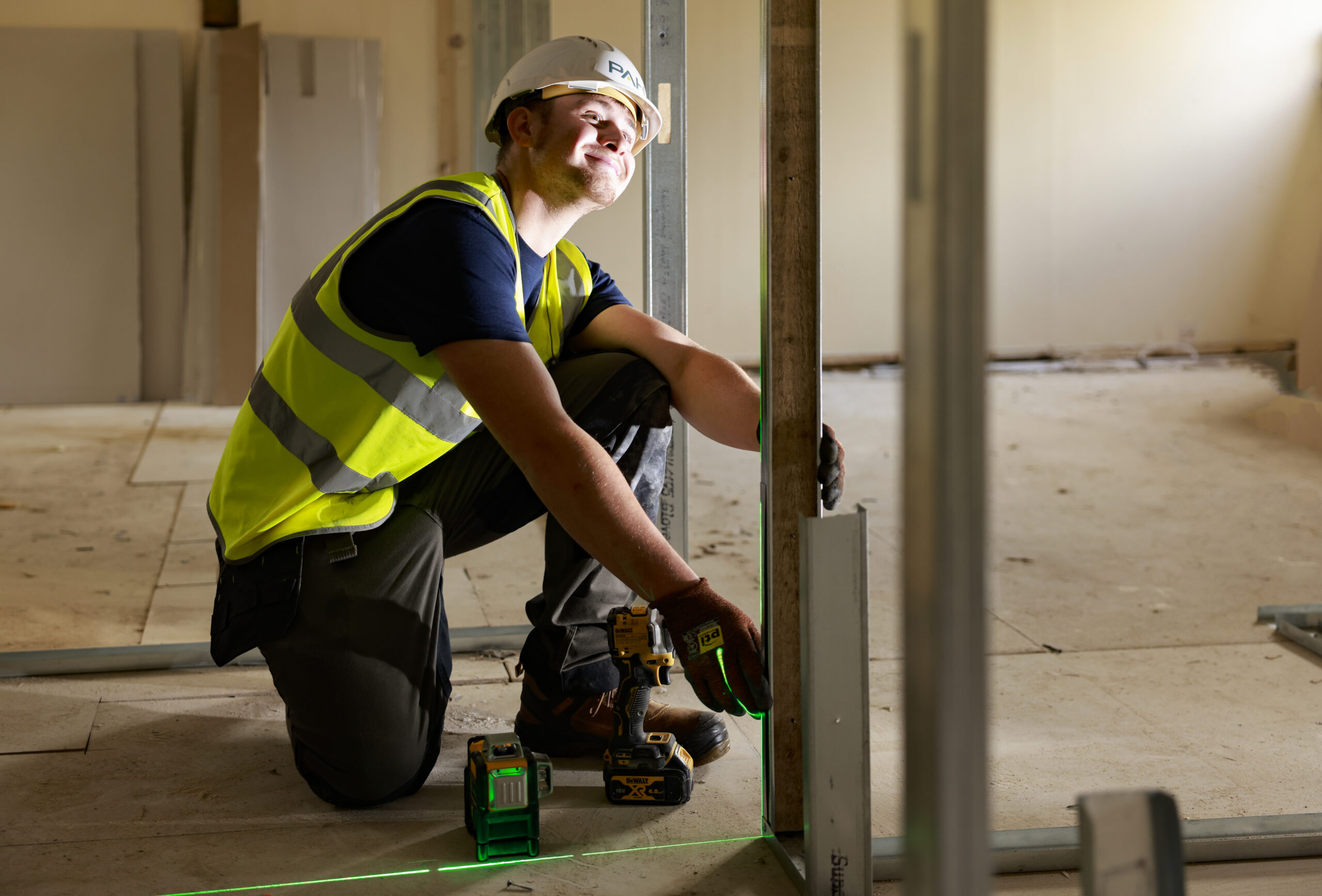
Hampshire construction firm charts record growth despite industry challenges
Hampshire-based construction firm, PAH Building & Construction, has already secured two thirds of its projected £18 million turnover for 2026, driven mainly by growth in its retrofitting and insurance work. This milestone has been achieved despite wider industry...