
High Injury Rates: The Most Dangerous Trades in Construction
Discover the most dangerous trades in the construction industry and their alarming injury rates. Understanding the Risk: An Overview of Construction Industry The construction industry is known for its high-risk nature, with workers facing numerous hazards and dangers on a daily basis. From towering heights to heavy machinery, construction sites can be extremely dangerous if […]
Feb 5, 2024
Discover the most dangerous trades in the construction industry and their alarming injury rates.
Understanding the Risk: An Overview of Construction Industry
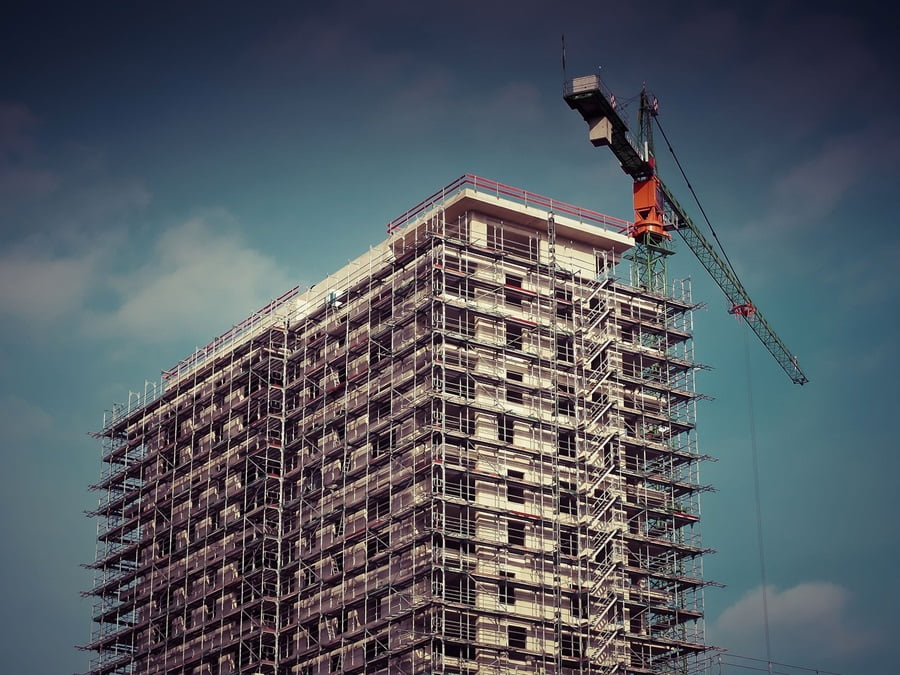
The construction industry is known for its high-risk nature, with workers facing numerous hazards and dangers on a daily basis. From towering heights to heavy machinery, construction sites can be extremely dangerous if proper safety precautions are not followed. It is essential for everyone involved in construction to have a clear understanding of the risks involved and the importance of safety measures.
Construction workers are exposed to a wide range of hazards, including falls from heights, electrical shocks, exposure to hazardous substances, and being struck by objects or machinery. These risks can result in serious injuries or even fatalities. Therefore, it is crucial for construction workers to receive proper training and follow safety protocols to minimise the risk of accidents and injuries.
Roofing: Scaling Heights with High Injury Rates
Roofing is one of the most dangerous trades in the construction industry, with a high rate of injuries. Roofers work at great heights, often on steep slopes, which increases the risk of falls. They are also exposed to extreme weather conditions, such as high winds and slippery surfaces, which further adds to the danger.
In addition to falls, roofers are also at risk of being struck by falling objects, such as tools or materials. They may also come into contact with live electrical wires while working on roofs. These hazards require roofers to have proper safety equipment, such as harnesses and helmets, and to follow strict safety protocols to prevent accidents and injuries.
Ironworkers: Working with Steel and High Risks
Ironworkers play a critical role in construction, but their work comes with high risks. They are responsible for erecting and installing structural steel frameworks, which involves working at great heights and handling heavy materials. This exposes ironworkers to the risk of falls, being struck by objects, and being caught in-between materials.
Ironworkers also face the danger of working with welding equipment and operating heavy machinery, which can lead to burns, electrical shocks, and other serious injuries. It is essential for ironworkers to have proper training, use personal protective equipment, and follow safety procedures to mitigate these risks and ensure their own safety.
Demolition: Bringing Down Structures with Danger
Demolition work involves bringing down structures, which is inherently dangerous. Demolition workers are exposed to risks such as collapsing structures, falling debris, and exposure to hazardous materials. They often use heavy machinery, explosives, and other specialised equipment, which adds to the danger.
To minimise the risks associated with demolition work, proper planning and engineering are crucial. Demolition workers must follow safety protocols, such as wearing protective clothing and using safety barriers, to protect themselves and others on the construction site. It is also important to properly handle and dispose of hazardous materials to prevent environmental contamination.
Electrical Work: Shocking Hazards and Fatalities
Electrical work is another trade in construction with high risks and potential for serious injuries. Electricians work with live electrical systems, which puts them at risk of electrical shocks and burns. They may also be exposed to arc flashes and explosions, which can have devastating consequences.
To ensure safety, electricians must be properly trained in electrical systems and safety procedures. They should use personal protective equipment, such as insulated gloves and goggles, and follow proper lockout/tagout procedures when working on electrical systems. Regular inspections and maintenance of electrical systems are also essential to prevent accidents and fatalities.
Conclusion: Prioritising Safety to Reduce Construction Site Injuries
In conclusion, the construction industry encompasses several trades with high injury rates and significant risks. It is crucial for employers, workers, and regulatory bodies to prioritise safety and implement effective safety measures to reduce construction site injuries. This includes providing proper training, enforcing safety protocols, and ensuring the use of appropriate personal protective equipment. By understanding the risks involved in different construction trades and taking proactive measures to mitigate those risks, we can create safer work environments for construction workers. It is everyone's responsibility to prioritise safety and work towards reducing injuries in the construction industry.
Related Posts

Firecrest Construction Completes 40 Bed Care Home For Exemplar Health Care
Firecrest Construction has successfully completed the complex delivery of a new 40 bed care home in Bury town centre for Exemplar Health Care. As principal contractor to the scheme, Firecrest delivered the job on budget and on time, handing over after 64 weeks...

The Hill Group Achieves Hat Trick of Planning Successes Across the South East
Award-winning housebuilder The Hill Group has secured a hat trick of planning permissions across the South East, marking a significant milestone in the delivery of much-needed new homes across the region. Across three newly approved schemes in Essex, Oxfordshire and...
Hampshire construction firm charts record growth despite industry challenges
Hampshire-based construction firm, PAH Building & Construction, has already secured two thirds of its projected £18 million turnover for 2026, driven mainly by growth in its retrofitting and insurance work. This milestone has been achieved despite wider industry...