
Innovating to Net Zero: New Technology for Low Carbon Cements
Cement production currently contributes to around 7% of global CO2 emissions, yet is a material that is crucial for infrastructure and development, such as for the construction of buildings, dams, bridges, and drainage systems. Much of the CO2 emitted comes from the decomposition of limestone (into calcium oxide and CO2) in the kiln, a process […]

Dec 15, 2021
Cement production currently contributes to around 7% of global CO2 emissions, yet is a material that is crucial for infrastructure and development, such as for the construction of buildings, dams, bridges, and drainage systems. Much of the CO2 emitted comes from the decomposition of limestone (into calcium oxide and CO2) in the kiln, a process which is inherent to the production of clinker (the main component of cement), and which therefore makes decarbonising this material a highly challenging problem. Finding a solution to reduce the carbon footprint of the second most widely used material on the planet is thus vitally important for reducing global emissions, and for meeting the industry’s obligations under the Paris Agreement.
Since 1990, the industry has managed to reduce its per ton emissions by about 25%. This has been done through three main levers: reducing the clinker content of cement, switching fuel away from coal and increasing the energy efficiency of operations. LC3 for example (Limestone Calcined Clay Cement) reduces the clinker content of cement by replacing it with calcined kaolin and limestone, which are found in abundance globally and which could reduce emissions by as much as 40% compared with Ordinary Portland Cement, with a similar strength. Coal has been reduced as a fuel in many cases by burning refuse derived fuels, which has the added bonus of reducing waste sent to landfill, and effectively dealing with difficult materials, such as paint sludges.
Further reductions of as much as 30% can be made by maximising these three key levers using existing technologies, buying time for new technologies to be scaled up and become cost effective. This will require increasing use of LC3 and other blended cements, which will require opening up new kaolin and pozzolan mines, and maximising the usage of fly ash (PFA) and slag (GGBS). European and North American cement plants now lag well behind the newer plants in China and India in terms of energy consumption. There are significant opportunities to improve performance, through better milling technologies, recovering waste heat for on-site power generation and other process improvements. Outside Europe, there is significant potential in switching from coal to alternative fuels derived from waste or biomass.
Looking beyond these 3 levers, there are broadly two opportunities to reduce carbon emissions. The first is in optimising the use of cement in construction and so reducing over specification and other waste in the supply chain. This will require a very different approach from not just cement companies but also contractors, project owners and specifiers. The second is through carbon capture utilisation and storage (CCUS). At present, the most interesting technologies are at the lab or pilot stage. Carbon capture and storage (CCS) pilot projects have proved that this concept works, but so far costs have been expensive, and projects have required a high level of taxpayer subsidy. Even with economies of scale and experience, CCS projects seem unlikely to be affordable in most developing countries where 90% of cement is produced and used, particularly where there are sub-optimal geological conditions.
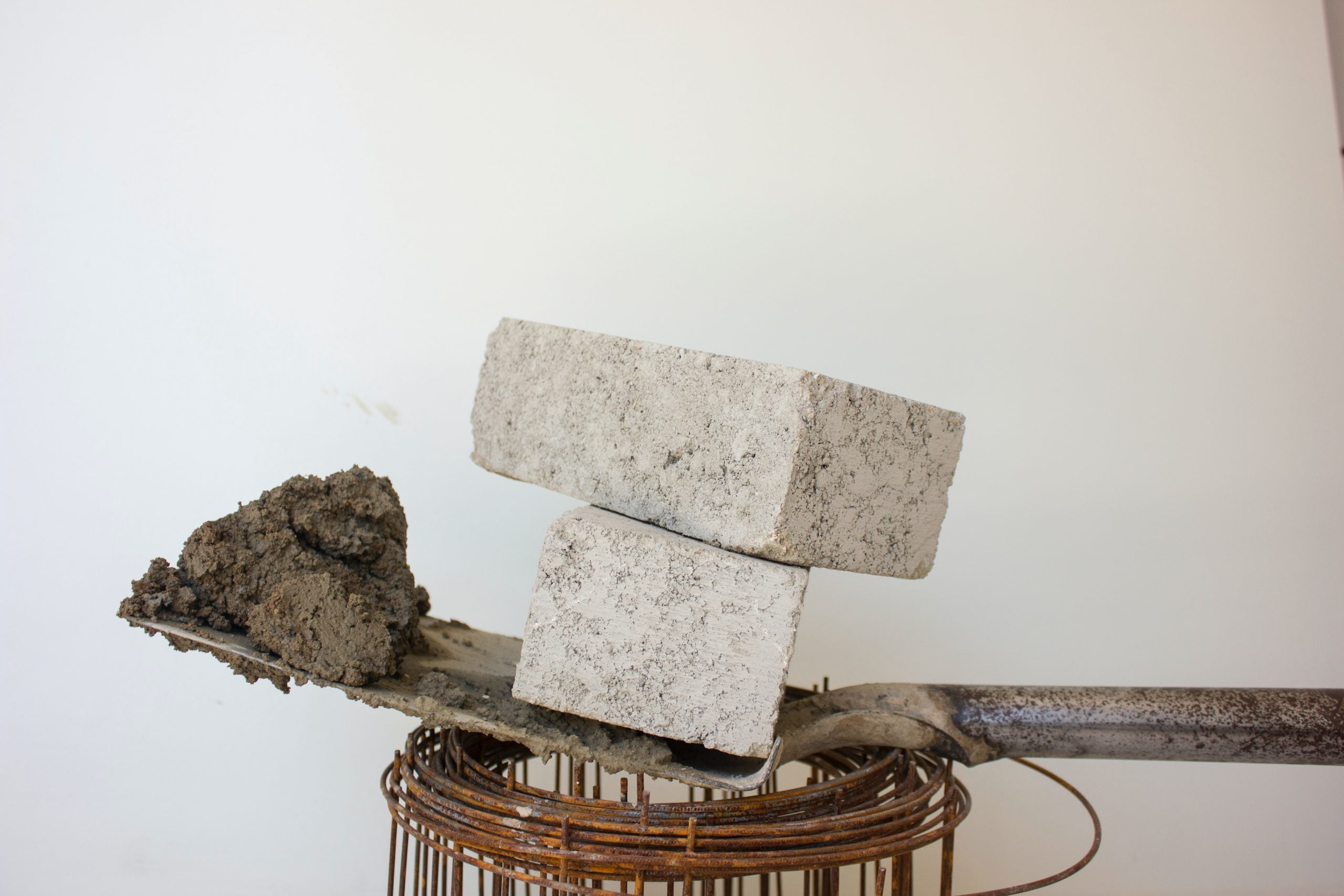
Some of the most promising CCU technologies are producing synthetic aggregates from CO2 and metal oxides, directly carbonating precast concrete, absorbing CO2 in the process, as well as producing stronger concrete, and enhancing cementitious materials to make low grade materials usable and increase the proportion that can be substituted for clinker. WCA Members Solidia Technologies, Carbon Cure, CarbonBuilt and Blue Planet are among some of the companies which are developing and deploying low carbon cement and concrete solutions today. For example, CarbonCure technology is already being used in more than 400 concrete plants.
Governments can play a key role in supporting the decarbonisation of the cement and concrete industry. Policymakers can encourage faster adoption of low-carbon technologies such as those above by promoting a market for such materials, for example by encouraging use in publicly funded projects, reviewing and updating product standards to allow them to be used in a wider range of applications – without compromising on safety – and creating the right market incentives for their development and use, such as through carbon pricing and subsidies. These measures can be implemented at low cost, and could achieve savings of 900m tonnes of CO2 per year by 2030.
Decarbonising the industry is just one step in the road to net zero: in time, with new technologies, there is the possibility that concrete could become carbon negative, thus providing a sink for CO2 in future, particularly as concretes naturally reabsorb CO2 over their lifetimes.
Nonetheless, the cement industry has a long road ahead of it when it comes to its decarbonisation journey. It will take decisive leadership and policy change from the sector and governments alike, and deep collaboration along the supply chain and across the wider ecosystem to achieve what is needed. However, encouraging steps are being taken now, such as the Industrial Deep Decarbonisation Initiative, set out by the UK, Saudi Arabia, Canada, Germany and India at COP26. These government actions together with the steps being taken by the industry and the new technology being developed will accelerate the pace of decarbonisation of the sector and set it on the road to reach net zero emissions by 2050.
Manon Burbidge, Policy & Communications Manager, WCA
Ian Riley CEO, WCA
Related Posts

The Hill Group Achieves Hat Trick of Planning Successes Across the South East
Award-winning housebuilder The Hill Group has secured a hat trick of planning permissions across the South East, marking a significant milestone in the delivery of much-needed new homes across the region. Across three newly approved schemes in Essex, Oxfordshire and...
Hampshire construction firm charts record growth despite industry challenges
Hampshire-based construction firm, PAH Building & Construction, has already secured two thirds of its projected £18 million turnover for 2026, driven mainly by growth in its retrofitting and insurance work. This milestone has been achieved despite wider industry...
Perega appointed on major Horsham residential development
Engineering-led approach to deliver 183 houses and five apartment blocks within Taylor Wimpey’s Crawley masterplan. LONDON, UK - May 5th 2026 - Perega is tackling some of the South East’s toughest water neutrality requirements and fifteen metres of unstable made...