
Inflation’s Impact On ‘Tax’ On Property Developers Pushes Building Costs Even Higher
Developers already hit by huge inflation in raw materials and labour shortages – Construction Material Index rose 22% in last yearLocal authorities may need to consider waiving inflation-increased interest Property developers face significant increases in building costs due to payments to local authorities that are index linked to inflation, says Boodle Hatfield, a leading private […]

Sep 20, 2022
- Developers already hit by huge inflation in raw materials and labour shortages – Construction Material Index rose 22% in last year
- Local authorities may need to consider waiving inflation-increased interest
Property developers face significant increases in building costs due to payments to local authorities that are index linked to inflation, says Boodle Hatfield, a leading private wealth law firm.
The firm warns that some projects could become economically unviable if local authorities force developers to increase Section 106 agreements in line with runaway inflation.
Section 106 agreements are used by local authorities to extract contributions from developers to pay for local infrastructure and affordable housing. In addition to cash payments, they can include the requirements to build parks, playgrounds and bus stops in the area around the development.
Many of these payments are linked to the Retail Price Index (RPI), meaning they rise in line with inflation from the date they are agreed to the date on which payment is due. This can be a gap of several years. With RPI currently standing at 12.3%, the cost of many agreements will now swell by hundreds of thousands of pounds over the coming years.
Boodle Hatfield says developers may need to renegotiate the terms of inflation-linked agreement to prevent projects having to be shelved due to becoming unaffordable. If local authorities are not willing to negotiate on fees, some projects may have to be put on long-term hold. Local authorities are keen to see many of these developments go ahead due to the positive economic impact those developments can have on the local area.
Boodle Hatfield says the rising cost of these index-linked payments is just the latest cost challenge for property developers. They have had to contend with spiralling inflation in raw materials, with the UK’s Construction Price Index rising 22% in the past year. Shortages in skilled labour have also pushed costs up significantly.
Andrew Wilmot-Smith, Partner in Boodle Hatfield’s Real Estate team says: “Inflation linked payments to local authorities could be the straw that breaks the camel’s back for some developments.”
“Agreements that were made when inflation was a quarter of what it is now will have to be re-negotiated in some cases, similarly to what happened in the wake of the Global Financial Crisis. Otherwise developers may be forced to put the brakes on or cancel projects entirely” “Local authorities will have to weigh up the considerations – either agree to a lower rate of contributions community or run the risk that developments are put on hold, possibly at the expense of local jobs.”
Related Posts
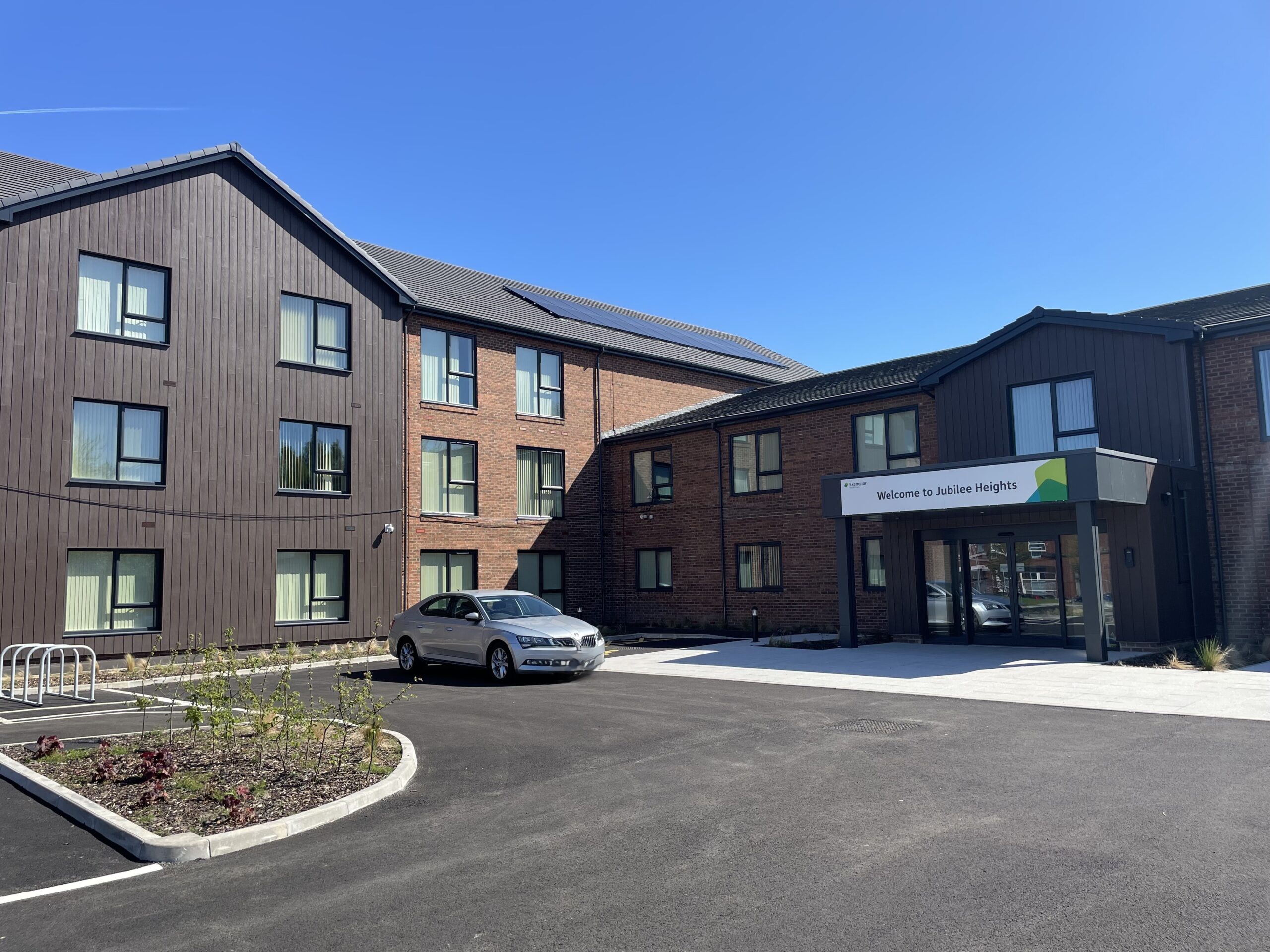
Firecrest Construction Completes 40 Bed Care Home For Exemplar Health Care
Firecrest Construction has successfully completed the complex delivery of a new 40 bed care home in Bury town centre for Exemplar Health Care. As principal contractor to the scheme, Firecrest delivered the job on budget and on time, handing over after 64 weeks...

The Hill Group Achieves Hat Trick of Planning Successes Across the South East
Award-winning housebuilder The Hill Group has secured a hat trick of planning permissions across the South East, marking a significant milestone in the delivery of much-needed new homes across the region. Across three newly approved schemes in Essex, Oxfordshire and...

Hampshire construction firm charts record growth despite industry challenges
Hampshire-based construction firm, PAH Building & Construction, has already secured two thirds of its projected £18 million turnover for 2026, driven mainly by growth in its retrofitting and insurance work. This milestone has been achieved despite wider industry...